Custom software
When off-the-shelf isn’t enough.
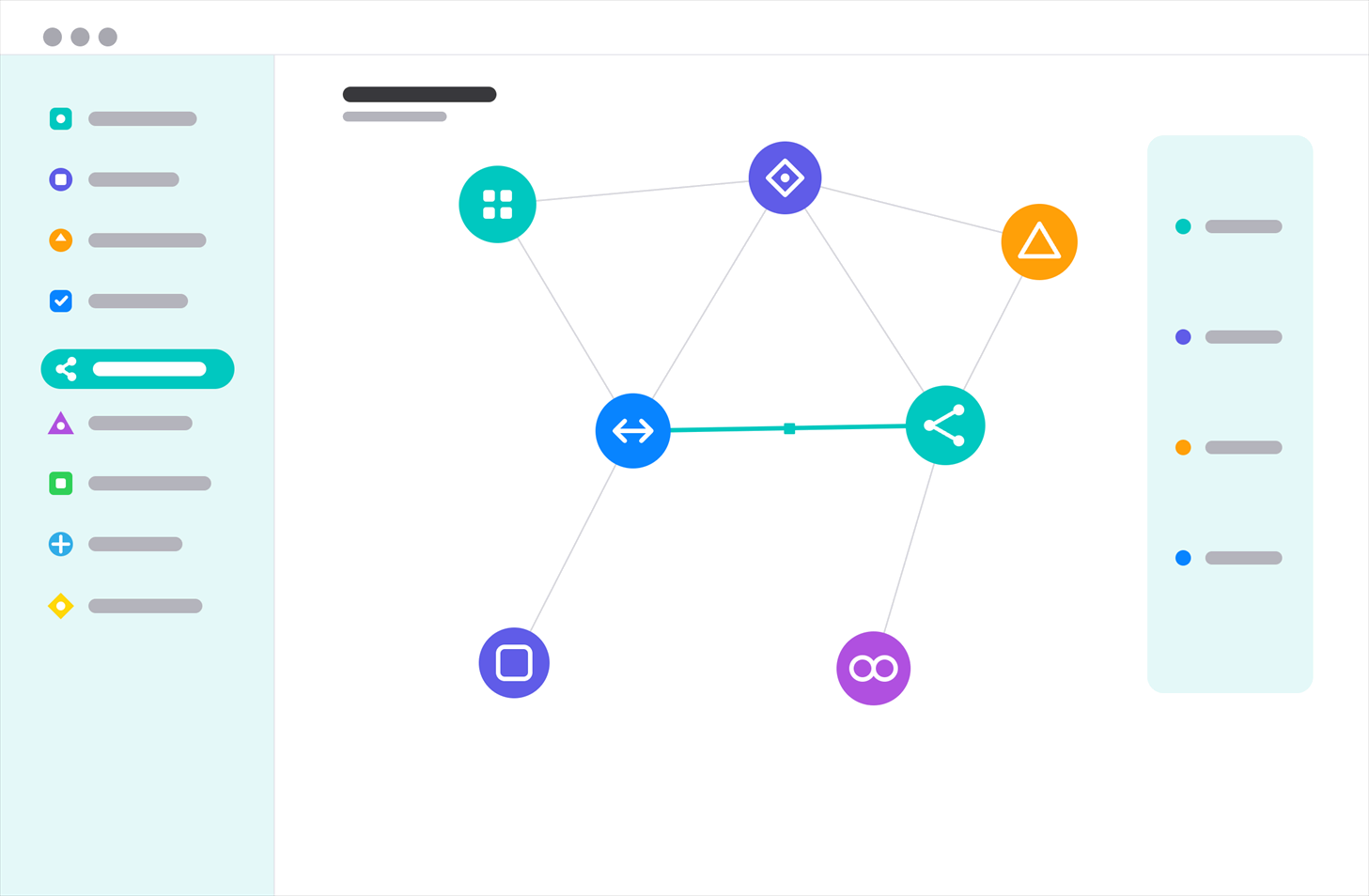
We write the part of your business no ready made tool understands. It fits between the systems you already use, so nothing that currently works has to break.
When do you actually need custom software?
In three situations. The most valuable part of your business runs in a spreadsheet, the same information gets typed into several programs by hand, or the thing a stock program calls impossible is the thing your business does.
If none of those are true, you don’t need custom software and we’ll say so. When an off the shelf tool does the job, we’re not going to sell you one anyway.
What we take on
- Business applications built from scratch around your own process
- System integration so two programs finally talk to each other
- APIs that make your data usable by other systems
- Getting out of spreadsheets and into something real
- Automation for repetitive work that runs in the background
- Rebuilding old software without losing the data
Do I have to replace what I already run?
No, and we avoid it on purpose. Replacing a working system is the most expensive and riskiest route there is.
The new software goes in between. Whichever system owns a record keeps it and we talk to that system. If the piece we wrote ever drops out, your business keeps running.
How does the work go?
We come and see how you work, then write down what you need together. Then you see the screens as pictures. Anything you don’t like changes before a line of code.
You watch it working as it comes together, so there are no surprises at the end. We go live with a small group first, and if nothing breaks, everyone moves over.
Why is leaving spreadsheets so hard?
Because a spreadsheet allows everything. A cell takes text or a number, the same customer gets entered three times with three spellings, and nobody knows which copy of the file is the real one.
So before moving the work we pull the real rules out of the file. Which field is required, where each calculation comes from, which row is secretly two records. Skip that and the data stays just as tangled in the new program.
Who owns the code?
You do. We hand over the code and the data, and we write down what we built.
We deliberately work with tools every developer knows, for one reason. Another team has to be able to maintain it. Locking you in doesn’t help us either, because a relationship built on being stuck doesn’t last.
Will it still fit when the business grows?
We plan for that from the start. Three people using it today doesn’t mean thirty can’t use it later.
What we don’t do is build what you don’t need yet. An unused feature isn’t free. It comes back as maintenance and as complexity.
Questions we get asked
Will you disappear once it’s built?
We don’t, but we build as though we might. The code is yours, it’s documented, and the tools are standard. We’re also here for maintenance and support.
I don’t know exactly what I want yet. Is that a problem?
Not at all. Most projects start with the sentence “this is slowing us down.” Tell us what you want to do and working out how is our job.
What happens when a new request comes up later?
We expect it, because no project is fully known on day one. If a request changes the scope we say so plainly and leave the decision with you.
Can we run it on our own servers?
You can. We build it to run on your own hardware or in the cloud, whichever you prefer.
Other solutions
Ready when you are.
Tell us what you want to do and we’ll work out how. The first conversation is free, and it commits you to nothing.